
Live dealer games stream real human dealers in real time, offering authentic casino ambiance, social interaction, and transparent gameplay with physical cards and chips. In contrast JQK Malaysia, digital table games are fully automated, using algorithms and RNG to deliver faster rounds, customizable interfaces, and anytime accessibility but lack human engagement. Live games emphasize immersion and community, while digital versions focus on speed and convenience. Understanding these differences helps clarify which style better suits distinct player preferences. Further comparison reveals deeper insights.
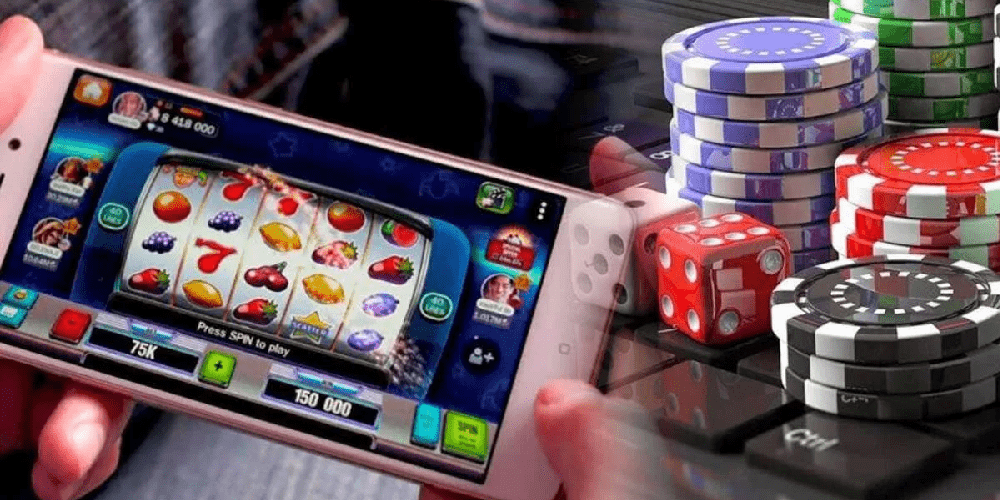
What Are Live Dealer and Digital Table Games?
Although both live dealer and digital table games fall under the category of online casino offerings https://www.jqkclub99.com/, they differ fundamentally in their execution and player experience.
Live dealer games utilize real human dealers streamed in real time, providing authentic gameplay with physical cards and chips.
Digital table games, by contrast, are fully software-based, relying on algorithms and random number generators (RNG) to simulate traditional casino games.
This distinction affects player interaction and immersion.
Live dealer games offer dynamic social elements, whereas digital table games emphasize speed, convenience, and automated fairness.
These differences cater to differing player preferences and freedoms in online gambling environments.
What Makes Live Dealer Games Feel Like a Real Casino
Because live dealer games incorporate real-time human interaction and tangible gaming elements, they closely replicate the atmosphere of a physical casino. The presence of professional dealers managing cards and chips enhances authenticity, while multiple camera angles offer dynamic perspectives.
Real-time communication features enable players to engage socially, fostering a sense of community and spontaneity absent in automated games.
Additionally, the physical environment, including sound and visual cues, contributes to immersive sensory experiences. These factors collectively create an environment that mirrors the unpredictability and excitement of traditional casinos, appealing to players seeking genuine engagement and freedom within an online context.
Why Digital Table Games Are Fast and Convenient
When comparing the operational dynamics of digital table games to live dealer formats, the former offers notable advantages in speed and convenience. Digital table games automate shuffling, dealing, and betting processes, eliminating human-induced delays.
Instantaneous game rounds allow players to engage continuously without waiting for dealer actions or other participants. The interface enables rapid decision-making facilitated by clear, customizable options and integrated timers.
Additionally, these games are accessible anytime and anywhere, removing geographical and temporal constraints inherent in live settings. Such efficiency and flexibility cater to users seeking a streamlined gambling experience that prioritizes autonomy and expediency over traditional interaction.

Player Interaction: Live Dealer vs Digital Table Games
While both live dealer and digital table games aim to engage players, the nature and quality of interaction differ significantly. Live dealer games offer real-time human interaction, enabling players to communicate with dealers and sometimes other players, fostering a social atmosphere akin to physical casinos.
Conversely, digital table games rely on automated interfaces, limiting interaction to game mechanics and pre-programmed responses. This absence of human presence can reduce social engagement but increases autonomy and speed.
Each format thus appeals differently: live dealer games prioritize immersive social connectivity, while digital games emphasize independent play and efficiency without human-mediated interaction.
Pros and Cons of Live Dealer and Digital Table Games
Although both live dealer and digital table games serve the purpose of simulating casino experiences, their respective advantages and disadvantages reflect distinct player preferences and operational considerations.
Live dealer games offer authentic interaction and transparency but depend on stable internet and can face slower gameplay.
Digital table games provide faster rounds, customizable interfaces, and greater accessibility, yet lack human engagement and may feel less immersive.
Operationally, live games incur higher costs due to staffing and technology, while digital games benefit from scalability.
Ultimately, the choice hinges on prioritizing realism and social dynamics versus speed, convenience, and flexible play environments.
Conclusion
Live dealer and digital table games each offer distinct experiences tailored to different player preferences. Live dealer games replicate the authentic casino atmosphere through real-time interaction and human dealers, enhancing immersion but often requiring more time. Digital table games prioritize speed and convenience with automated processes and instant outcomes, appealing to efficiency-focused players. Ultimately, the choice depends on whether the player values realism and social interaction or prefers rapid, accessible gameplay.